Office Removals in Soho
Office Removals in Soho need to be handled with care, speed, and a clear plan. Soho is one of central London’s busiest districts, with a mix of creative studios, media offices, professional firms, hospitality businesses, retail premises, and compact commercial spaces tucked above shops and down narrow side streets. That means an office move here is rarely simple. It often involves tight stairwells, limited loading access, busy pedestrian traffic, and the need to keep disruption to staff, neighbours, and customers to a minimum.
If you are relocating a business in Soho, you may be moving a small startup into a better workspace, upgrading to a larger floorplate, reconfiguring a shared office, or clearing out an existing unit at the end of a lease. Whatever the reason, a local removals team can help you manage the process efficiently and safely. The right service should make it easier to move desks, IT equipment, filing, meeting room furniture, and other office essentials without unnecessary stress.
Our office moving service in Soho is designed for real local requirements: careful planning, practical handling, and flexibility around building access and business hours. Whether you need a full workplace relocation or help with a smaller internal move, a well-organised team can make the difference between a disruptive day and a smooth transition.
Why Soho Office Moves Need a Local Approach

Moving offices in Soho is different from moving in a suburban business park or a warehouse district. The area has a distinctive layout, with busy main roads, narrow lanes, pedestrian-heavy streets, and many buildings that were not originally designed for modern logistics. That creates challenges for parking, loading, and moving bulky items in and out of upper floors.
A local removals team understands these conditions and can plan around them. That includes choosing the best time of day for access, using the right vehicle size, and preparing for building entry rules, lifts, staircases, or reception procedures. In a place where time matters and street access can be limited, local knowledge is a real advantage.
For businesses based around Soho, nearby Covent Garden, Mayfair, Fitzrovia, Marylebone, and the wider West End, a removals provider that regularly works in central London is more likely to understand the practical realities of moving on tight schedules. That experience helps reduce delays and makes the process more predictable from start to finish.
Who We Help

Office removals in Soho are not just for large companies. Many local customers need help moving smaller workspaces too. Soho contains a broad mix of property types, from compact offices above street-level businesses to modern commercial suites and shared workspaces. Each one brings its own set of moving requirements.
We regularly assist:
- Creative agencies moving design desks, storage units, and presentation equipment
- Media and production teams relocating computers, screens, and archive material
- Professional services firms moving files, workstations, and meeting room furniture
- Hospitality and retail businesses clearing back-office areas or admin spaces
- Startups and small businesses needing a cost-conscious, efficient moving plan
- Landlords and managing agents arranging office clearances between tenancies
Some customers need a full relocation across London, while others only need support moving a few key items to a nearby premises. A flexible service is important because no two Soho office moves are the same, and a one-size-fits-all approach rarely works well in this part of town.
What Is Included in an Office Removal Service

A professional office removal service should be built around practical support, careful handling, and clear communication. The exact service can vary depending on the size of your office and the scope of the move, but the aim is always to make relocation as organised as possible.
Typical office removals support can include:
- Pre-move planning to understand what is being moved and when
- Site access coordination for lifts, loading bays, and building rules
- Packing assistance for documents, files, office supplies, and fragile items
- Furniture dismantling and reassembly where required
- Careful transport of desks, chairs, cabinets, and IT equipment
- Labelling and room-by-room placement to help with an efficient setup
- Office clearance support for unwanted furniture or surplus items
- End-of-tenancy move-out help if you need to empty the premises fully
Many local businesses also need help moving sensitive equipment or important records. In these cases, attention to detail matters just as much as speed. A professional team should treat office contents with care and keep your move structured, tidy, and manageable.
Planning an Office Move in Soho
Good planning is the foundation of a successful office move. In Soho, this is especially important because access can be difficult and there is often little room for error. A well-planned move helps avoid last-minute delays, lost items, and unnecessary disruption to your working day.
The planning stage usually starts with understanding your current office layout, the volume of items being moved, and any special requirements such as fragile equipment, filing systems, or restricted access times. It is also helpful to know whether your new office is within Soho or moving to another part of central London, as this affects timing and logistics.
We recommend thinking about the move in stages: preparation, packing, transportation, delivery, and setup. Breaking the job down makes it easier to manage and gives staff a clearer idea of what to expect. It also helps identify items that can be disposed of, recycled, archived, or relocated before moving day arrives.
Key Challenges in Soho
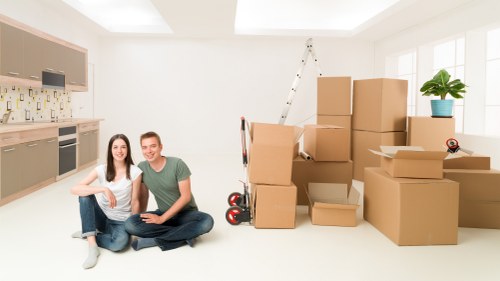
Soho’s character is one of its strengths, but it can also make commercial removals more complex. Local streets are frequently busy, parking is limited, and loading restrictions can affect the timing of collections and deliveries. Buildings may have narrow corridors, older lifts, or multiple floors that need careful handling.
Common challenges include:
- Restricted loading and unloading space on central London streets
- Busy pedestrian traffic that requires careful movement of items
- Upper-floor offices with stairs or small lifts
- Shared buildings where timing and noise need to be managed
- Limited storage areas in compact office layouts
- Need for fast turnaround to reduce business downtime
These realities are why many businesses prefer a removals team that already knows the area well. A local crew can anticipate the practical issues before they become problems, which saves time and reduces pressure on your staff.
How to Prepare for Office Removals in Soho

Preparation plays a huge part in how smoothly your move goes. Even a small office can benefit from a structured approach, especially when relocating in central London. The more organised your team is before moving day, the easier it is to keep things on schedule.
Here is a useful preparation checklist:
- Notify staff of the moving date and what they need to pack
- Identify essential items that must be available first at the new office
- Back up digital data before moving computers or servers
- Label boxes and furniture clearly by department or room
- Disconnect equipment safely in line with your internal procedures
- Remove confidential waste using the correct disposal method
- Measure entrances and lifts if furniture is large or awkward
- Check building access times for both the old and new premises
It is also sensible to set aside a small essentials box for the first day in the new office. This can include chargers, stationery, keys, documents, cleaning supplies, and other items your team may need straight away. Small steps like this can make the first day in the new space feel much more controlled.
Office Furniture, IT Equipment, and Sensitive Items
Many office moves involve more than just desks and chairs. Soho businesses often rely on specialist equipment, branded displays, screens, computers, creative tools, archives, and other items that need careful handling. The right moving team should be ready to manage these items with appropriate care.
IT equipment is one of the most important areas to plan properly. Monitors, desktop computers, printers, servers, and network devices should be packed securely and moved in a way that reduces the risk of damage. If your business has technical equipment that needs disconnection or reinstallation, it helps to plan that separately so your team can return to work as quickly as possible.
Office furniture is another common consideration. Large desks, conference tables, filing cabinets, storage units, and ergonomic chairs may need dismantling before they can be moved safely through corridors or stairwells. A moving team with the right tools can often disassemble and reassemble items on site, which is especially useful in buildings with tight access.
For confidential records, legal papers, financial documents, or archive boxes, security matters just as much as care. Items should be handled respectfully, labelled correctly, and transported in an organised way. If your company deals with sensitive information, you may also want a plan for secure packing and disposal of any unneeded records.
Commercial and Residential-Style Office Spaces in Soho
Soho includes a wide range of property types, and that affects the way office removals are carried out. Some workplaces are in modern commercial buildings with lifts and managed access, while others sit above shops or inside converted premises with more awkward routes in and out. A good removals plan should reflect the building, not just the contents.
In some cases, businesses in Soho operate from smaller mixed-use buildings where office space sits alongside residential accommodation or hospitality venues. That means neighbours, noise levels, and timing all need to be considered. Moves often need to be scheduled to reduce disruption and to fit around building rules or shared access arrangements.
If you are moving between nearby districts such as Oxford Circus, Piccadilly Circus, Bloomsbury, or the wider West End, a local team can usually adapt the move to suit central London conditions. That means planning the route, factoring in traffic, and choosing a suitable collection window to keep everything moving smoothly.
Pricing Factors for Soho Office Removals
Every office move is different, so the cost is usually shaped by the size and complexity of the job rather than a fixed one-size-fits-all figure. Customers often want to know what affects pricing before they request a quote, and that is a sensible question to ask.
Common pricing factors include:
- Volume of items being moved
- Distance between the current and new premises
- Number of floors and access difficulty
- Need for dismantling and reassembly of furniture
- Packing support or supply of packing materials
- Timing requirements, such as out-of-hours moves
- Parking and loading constraints in Soho
- Special handling for fragile or high-value items
A clear quotation should reflect your actual requirements, not assumptions. That is why it helps to provide as much detail as possible when arranging your move. The more accurate the information, the easier it is to build a practical plan and avoid surprises later.
Request a free quote once you know your likely move date and what you need taken care of. A good local service should be happy to discuss the scope of the job and help you understand the likely moving setup.
Why Choose a Local Soho Removals Company
Choosing a company that works in Soho regularly gives you several practical advantages. The first is local awareness: a team familiar with the area understands the streets, the traffic patterns, and the kind of building access issues that can slow a move down. That can be especially helpful when time windows are tight.
Another advantage is flexibility. Local office removals teams are often better placed to handle short notice changes, phased moves, or small jobs that need a fast turnaround. This can be useful if your lease dates shift, your building access changes, or your business needs to move outside normal working hours.
A local company can also be more responsive when you need to plan a pre-move visit or talk through access concerns. Whether your office is in a busy part of Soho or just on the edge of it, practical experience with central London moves helps build confidence and keeps the process straightforward.
Book your service now if you are ready to get started. If you are still in the planning stage, it is still worth asking questions early so you can work out what support you need and how to schedule the move sensibly.
Areas Covered Around Soho
Office removals in Soho often involve nearby locations as part of the same business district. Because many companies operate across central London, moves frequently connect Soho with surrounding areas where access, building type, and office size can vary significantly.
Common nearby areas covered include:
- Mayfair
- Covent Garden
- Fitzrovia
- Marylebone
- Oxford Circus
- Piccadilly Circus
- Bloomsbury
- Westminster
- Holborn
- St James’s
If your business is relocating within central London, a removals team used to working across these areas can help you manage the logistics more effectively. Even short distances can take careful planning when you are moving through busy streets and controlled access zones.
What Makes a Move Less Disruptive for Your Team
For most businesses, the biggest concern is not just moving items safely, but keeping the operation running. Office removals should be designed to reduce downtime and help your staff settle into the new space without too much disruption. That means thinking about both the physical move and the way the working day will be affected.
One of the best ways to minimise disruption is to separate the move into smaller stages if needed. For example, some businesses relocate departments one by one, move non-essential items first, or shift furniture before the final IT setup. This can help reduce pressure on the team and make the first day in the new office more manageable.
It also helps to assign internal responsibilities before the move. Someone can oversee packing labels, someone else can manage IT shutdown, and another person can check that essential documents are kept accessible. A little internal coordination makes the removals process much smoother.
Office removals in Soho should support your business, not interrupt it unnecessarily. When the plan is clear, the move is easier to control, and your team can focus on resuming work in the new location as soon as possible.
Office Clearance and End-of-Lease Support
Many clients in Soho need more than transport alone. When a tenancy ends, or a workspace is being reconfigured, you may need help clearing unwanted furniture, outdated equipment, or surplus office items. Office clearance is a practical part of many removals projects and can be especially useful where time is limited.
Clearance work can include removing old desks, broken chairs, filing cabinets, storage units, and other unwanted items before handover. It may also involve separating items for reuse, donation, recycling, or disposal, depending on what is suitable and agreed in advance. This is often a helpful option for businesses that want to leave the premises tidy and ready for the next stage.
If you are working to a lease deadline, it is wise to plan clearance and removal together rather than treating them as separate jobs. Combining the tasks can save time and reduce the risk of leaving behind items that you no longer need. It also makes the moving process feel more complete.
Frequently Asked Questions
How far in advance should I arrange office removals in Soho?
It is best to arrange office removals as early as possible, especially if your move needs to take place on a specific date or outside normal hours. Soho’s access conditions can make scheduling more complex, so early planning gives you more options.
Can you move small offices or only large workplaces?
Yes, small offices are very common in Soho. Many local businesses only need help moving a few desks, chairs, IT items, and boxes. A good removals service should be able to handle both small and larger commercial moves.
Do office removals include packing?
Some moves include packing support, while others involve transport only. If you need help with packing files, equipment, or furniture, it is worth discussing that at the quote stage so the right level of support can be arranged.
What if my office is on an upper floor?
That is common in Soho. Many offices are on upper floors above shops or in older buildings. A removals team should be prepared to use stairs, lifts, and careful handling methods to manage access safely.
Can you help with moving IT equipment?
Yes, IT equipment is often part of an office move. Monitors, computers, printers, and similar items need careful packing and transport. If your equipment is particularly sensitive, it is sensible to flag that early in the planning process.
Do you work outside normal office hours?
Many central London office moves are easier when they happen early, late, or at quieter times of day. If your business needs a more flexible schedule, ask about availability when requesting your quote.
What should I do before moving day?
Label your items, back up data, disconnect equipment in line with your internal procedures, and make sure essential items are set aside. It also helps to check access arrangements at both properties so there are no delays on the day.
Ready to Arrange Your Move?
If you are planning Office Removals in Soho, choosing a team with central London experience can save time, reduce stress, and make the whole process more manageable. Whether you are moving a small creative office, relocating a professional practice, or clearing a commercial space at the end of a tenancy, local knowledge matters.
From access planning and furniture handling to careful transport and setup, the right removals service should give you confidence that your move is in capable hands. If you want a practical, well-organised solution for your business, request a free quote, ask about your move options, and start planning with a team that understands Soho’s working environment.
Contact us today to discuss your office relocation needs and take the next step toward a smoother move.