Packing and Boxes in Soho: Smart, Secure, and Efficient Moving Solutions
Why Packing and Boxes in Soho Matter for Modern Moves
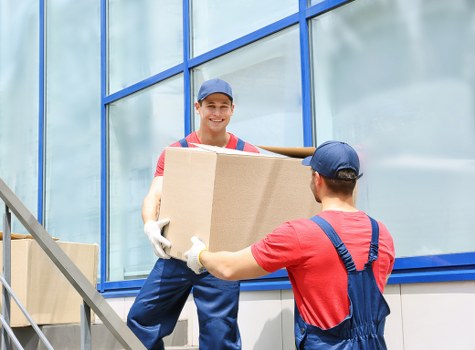
When people think about packing and boxes in Soho, they often picture a simple moving task: gather a few cartons, tape them shut, and transport everything to a new address. In reality, packing is one of the most important parts of any move, especially in a busy, high-density area like Soho. Whether you are relocating a flat, preparing a boutique office, or sending stock to another location, the quality of your packing materials and the strategy behind them can make a major difference.
Soho is known for its energy, constant movement, and mixed-use spaces. That means people often face tight hallways, limited loading access, narrow staircases, and strict time windows. In this kind of environment, packing and boxes in Soho are not just about convenience; they are about protection, organization, and speed. The right boxes help reduce damage, make carrying easier, and keep belongings sorted from start to finish.
For residents, businesses, and creatives alike, choosing suitable packing supplies can help avoid stress and wasted time. From sturdy double-walled cartons to wardrobe boxes and specialty packaging, the options available today are designed to suit different needs. If you want your move to stay efficient, planning your packing properly is just as important as the transportation itself.
Understanding the Packing Needs of Soho Properties

Soho properties are often unique. Some are compact studio apartments above busy streets, while others are stylish offices, showrooms, or hospitality spaces. Because the buildings and layouts vary so much, packing and boxes in Soho must be selected with flexibility in mind. A one-size-fits-all approach rarely works well here.
Smaller homes may require space-saving boxes that are easy to stack and label, while commercial premises may need reinforced cartons for files, equipment, merchandise, or glassware. In addition, many Soho buildings have shared entrances and busy common areas, so packing should support quick loading and unloading. Efficient packing helps reduce disruption for neighbors, staff, and visitors.
Another factor is the pace of life in the area. Soho is fast-moving, and many relocations must be done within a short time frame. That means materials should be readily available and easy to use. Properly sourced packing boxes in Soho can help you stay organized and ensure every item is ready when moving day arrives.
Choosing the Right Boxes for Different Items

Not all boxes are created equal. To get the best results from packing and boxes in Soho, it is important to match the box type to the contents. A lightweight carton might be fine for linens, but it will not protect fragile electronics or heavy books. Choosing the right box is a simple step that often prevents major problems later.
Here are some common box types and their best uses:
- Small boxes – ideal for books, paperwork, pantry items, and other heavy goods.
- Medium boxes – suitable for kitchenware, clothing, small appliances, and office supplies.
- Large boxes – useful for cushions, bedding, light décor, and bulky but lightweight items.
- Wardrobe boxes – perfect for hanging clothes and fashion stock, reducing creasing and saving time.
- Double-walled boxes – recommended for fragile, valuable, or heavier contents.
- Specialty boxes – designed for artwork, mirrors, bottles, computers, and other delicate items.
For anyone arranging packing and boxes in Soho, this kind of box selection helps create a better moving experience overall. It also makes unpacking much easier, because everything has been packed with purpose and labeled clearly.
How Professional Packing Improves Safety and Organization

Professional packing services are popular for a reason: they save time and reduce risk. In a location where space is limited and schedules are tight, efficient packing and boxes in Soho can help protect both property and people. Items that are packed correctly are less likely to shift, break, or spill during transit, which means fewer setbacks overall.
Good packing also supports better organization. By grouping similar items together and labeling each box clearly, you can keep track of your belongings from start to finish. This is especially helpful for office relocations, where documents, electronics, supplies, and furniture may all need to be unpacked in the correct order. A structured packing system can prevent confusion and reduce downtime.
Another important benefit is safety. Heavy items packed into weak boxes can fall apart, while overfilled cartons can be difficult to lift and carry. Reliable packing boxes in Soho should be sturdy, balanced, and sealed properly. That not only helps protect your items but also makes handling safer for movers and anyone helping with the relocation.
Essential Packing Materials That Make a Difference
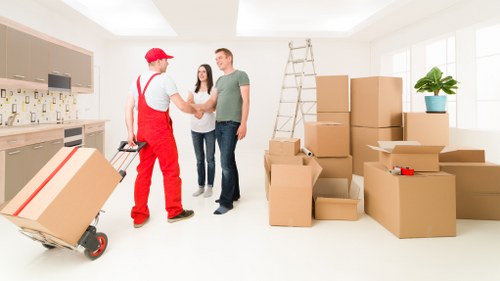
In addition to the boxes themselves, a full packing setup usually includes several supporting materials. These items help keep contents secure and make the process smoother from the first packed item to the last. When planning packing and boxes in Soho, it is worth considering the full package rather than just the cartons.
Useful packing materials include:
- Packing tape – strong adhesive tape keeps boxes closed and reinforced.
- Bubble wrap – excellent for fragile items such as glass, ceramics, and electronics.
- Packing paper – helps cushion dishes, ornaments, and smaller delicate items.
- Stretch wrap – useful for securing furniture drawers or bundled items.
- Labels and markers – essential for identifying box contents and destination rooms.
- Void fill materials – such as paper or foam to stop movement inside boxes.
Using the right materials means your packing and boxes in Soho setup is not only practical but also efficient. It reduces wasted space, improves safety, and makes it easier to stack boxes neatly without crushing their contents.
Packing Strategies for Soho Homes and Flats
Start with a Room-by-Room Approach
When moving a home, the best way to stay organized is usually to pack one room at a time. This method works especially well in Soho, where properties often have limited storage and compact layouts. By focusing on one space at a time, you can sort items more easily and avoid mixing unrelated belongings into the same box.
For example, kitchen items should be packed separately from books, bathroom products, and clothing. Doing this makes unpacking more manageable and reduces the chance of breakage. If you are working with packing and boxes in Soho, a room-based strategy can save a surprising amount of time.
It also helps to pack less-used items first. Seasonal décor, spare linens, and archive boxes can usually be handled early, while everyday essentials should be set aside for last. This creates a logical process and prevents unnecessary disruption to your routine.
Label Clearly and Consistently
Clear labeling is one of the simplest but most effective packing habits. Each box should show what is inside and which room it belongs to. This is especially helpful for packing and boxes in Soho, where space is limited and moving teams may need to place boxes quickly in the correct area.
You can use color coding, large printed labels, or bold handwriting to make identification easier. Some people also add a brief note such as “fragile,” “this side up,” or “open first.” These small details can dramatically improve the moving experience and reduce confusion during unpacking.
For added efficiency, create a simple inventory list. Even a basic numbered list can help you track which boxes belong to each room and whether anything is missing. In busy Soho moves, that extra layer of organization is especially valuable.
Packing Solutions for Soho Offices and Commercial Spaces
Protecting Files, Equipment, and Stock
Commercial moves in Soho require a different mindset from residential relocations. Offices, studios, retail spaces, and hospitality businesses all have specific packing needs. Packing and boxes in Soho for business use must prioritize speed, protection, and continuity of operations.
Files and documents should be packed in strong, clearly labeled archive boxes. Computers, screens, printers, and audio equipment need additional padding and careful handling. Retail stock may require stackable cartons that make storage and transport more efficient. In each case, choosing the right box helps preserve the condition of the contents.
For businesses, timing is critical. A well-packed office can be unpacked faster, helping staff get back to work with minimal delay. This is why many companies value professional packing boxes in Soho that are easy to load, easy to sort, and strong enough to withstand repeated handling.
Reducing Downtime During a Business Move
A commercial relocation should be planned with clear priorities. Items used daily should be packed last and unpacked first, while less essential materials can be boxed earlier. This approach helps maintain productivity and makes it easier to restore normal operations quickly.
To support a smoother transition, businesses often separate items into categories such as equipment, stationery, files, stock, and furniture fittings. This makes packing and boxes in Soho much more manageable and can also reduce the chance of lost items or misplaced assets.
Why Quality Box Materials Are Worth It
Strength Matters in a Busy Urban Environment
In an area like Soho, items often need to be moved through tight spaces, lifted up stairs, or transported through busy streets. Because of that, box quality matters more than many people realize. Thin, weak cartons may be suitable for storage, but they are not always ideal for moving. For best results, packing and boxes in Soho should be chosen with durability in mind.
High-quality boxes maintain their shape and support the weight of the contents more effectively. They are less likely to collapse when stacked and less likely to tear under pressure. This is particularly important if your move involves fragile items, valuable merchandise, or a mix of heavy and lightweight materials.
Investing in better materials can also save money in the long term. Damage, breakages, and replacement costs can quickly add up if packing is done poorly. Strong boxes, on the other hand, help reduce avoidable losses and make the move more efficient from start to finish.
Storage After the Move
Good boxes can be reused for storage after the move is complete. This is especially useful in Soho, where space is often limited and storage must be kept neat. Whether you need to store files, seasonal clothes, or promotional materials, durable packing boxes in Soho can continue to deliver value well beyond moving day.
Tips for Packing Fragile and Valuable Items
Fragile items require extra care, and this is where the right materials and methods really matter. If you are handling packing and boxes in Soho, you should always allow enough time to wrap and cushion breakables properly. Rushed packing often leads to broken glass, chipped ceramics, or scratched surfaces.
To protect delicate items, use a combination of soft wrapping, cushioning, and snug box fit. Avoid leaving too much empty space inside the box, as this allows items to move around. At the same time, do not overpack, because that can place too much pressure on the contents. The goal is a stable, balanced interior that prevents movement while still supporting the item safely.
Valuable items such as artwork, electronics, jewelry, or collectibles may need specialty packaging. In many cases, packing and boxes in Soho should be tailored to the item rather than forcing everything into standard cartons. That extra care can help preserve condition and reduce anxiety during transit.
- Wrap each fragile item individually.
- Use extra padding on the base and sides of the box.
- Mark the box clearly as fragile.
- Keep heavier items at the bottom and lighter ones on top.
- Seal boxes securely with strong tape.
Making the Most of Limited Space in Soho
Pack Smart, Not Just Fast
Space is often at a premium in Soho, whether you live in a compact apartment or manage a small office. That makes smart packing especially important. Packing and boxes in Soho should help you use available space wisely, not waste it. Properly sized cartons, careful arrangement, and thoughtful stacking can all make a noticeable difference.
One useful approach is to fill boxes efficiently without making them too heavy. Books can go into smaller cartons, while lighter items like cushions or bedding can take up larger boxes. This balance makes boxes easier to carry and helps maximize every available inch.
It is also useful to disassemble furniture where possible. Flat-pack shelving, tables, or storage units can often be packed separately, reducing the size of the load. In a location like Soho, where access can be challenging, this can make the moving process much smoother.
Using Vertical Space Wisely
Stacking boxes properly is another key factor. Sturdy boxes with even weight distribution can be stacked more securely, allowing you to make better use of vertical space in vans, storage rooms, or hallways. This is particularly useful when working with packing boxes in Soho and trying to fit everything into a limited loading area.
However, safe stacking is essential. Always place heavier boxes at the bottom and lighter ones above. Avoid stacking unstable cartons too high, especially if the route includes turns, stairs, or uneven surfaces. Good packing is about efficiency, but safety should always come first.
Common Packing Mistakes to Avoid
Even a well-planned move can run into trouble if packing is rushed or careless. Many common mistakes are easy to avoid once you know what to watch for. When dealing with packing and boxes in Soho, attention to detail can prevent a lot of unnecessary hassle.
Some of the most frequent mistakes include:
- Using boxes that are too large for heavy items.
- Failing to label boxes clearly.
- Leaving fragile items insufficiently padded.
- Overloading boxes so they become hard to lift.
- Using old or weakened cartons that can break during transit.
- Not creating a packing plan before starting.
Avoiding these errors helps protect your belongings and keeps the move moving forward. If you want your packing and boxes in Soho setup to work well, treat packing as a structured process rather than a last-minute task.
Why Local Knowledge Helps with Packing in Soho
Understanding the Area Improves Efficiency
Soho presents unique logistical challenges, and local experience can be a major advantage. Narrow streets, high foot traffic, loading restrictions, and compact buildings all affect how a move should be organized. That is why packing and boxes in Soho are best handled with a clear understanding of the local environment.
When the packing plan takes access, timing, and building layout into account, the entire move becomes easier. Boxes can be sized for tighter spaces, items can be sorted for quicker unloading, and fragile pieces can be prioritized for the safest route out of the property. These details may seem small, but together they create a much smoother experience.
Whether you are moving a home, shop, studio, or office, the right packing setup supports every stage of the relocation. In Soho, where time and space are both valuable, that efficiency can make a real difference.
Final Thoughts on Packing and Boxes in Soho
Choosing the right packing and boxes in Soho is about more than collecting cartons. It is about creating a practical, reliable, and stress-free moving process that fits the fast pace and unique layout of the area. From strong boxes and protective materials to smart labeling and room-by-room packing, every detail contributes to a better outcome.
For residents, businesses, and anyone relocating within this vibrant district, good packing is a worthwhile investment. It helps protect belongings, improve organization, and reduce the pressure that often comes with moving day. If you want a move that feels smoother from the start, prioritize quality boxes and smart packing methods.
Contact us today or Book your service now to make your next move in Soho simpler, safer, and more efficient. With the right approach to packing and boxes in Soho, you can save time, reduce stress, and keep everything on track from beginning to end.